Diagnosing Sudden Hydronic Boiler Pressure Drops in Older PA Homes
Hydronic heating provides an incredibly quiet and consistent warmth that forced air systems simply cannot replicate. Homeowners in historic areas like Sewickley love their cast iron radiators until the system suddenly stops producing heat. At Grossi Services Inc, we understand that a loss of water pressure inside your radiant pipes is a serious mechanical threat. Tracking down the source of a boiler repair Beaver County residents face requires a methodical and clinical approach.
A closed loop heating system relies on a very specific water pressure to push heat all the way to the top floor of the house. When that pressure drops, the water stops circulating, leaving your distant bedrooms freezing cold. We want to explain the physical mechanics behind this pressure loss so you can understand the severity of the issue. Knowing how the equipment operates helps you make smart decisions when dealing with older plumbing infrastructure.
What We Cover:
- The Physics of Hydronic Pressure Loss
- Why DIY Boiler Fixes Cause Major Floods
- What causes a boiler to lose pressure overnight?
- The Professional Diagnostic Approach
The Physics of Hydronic Pressure Loss
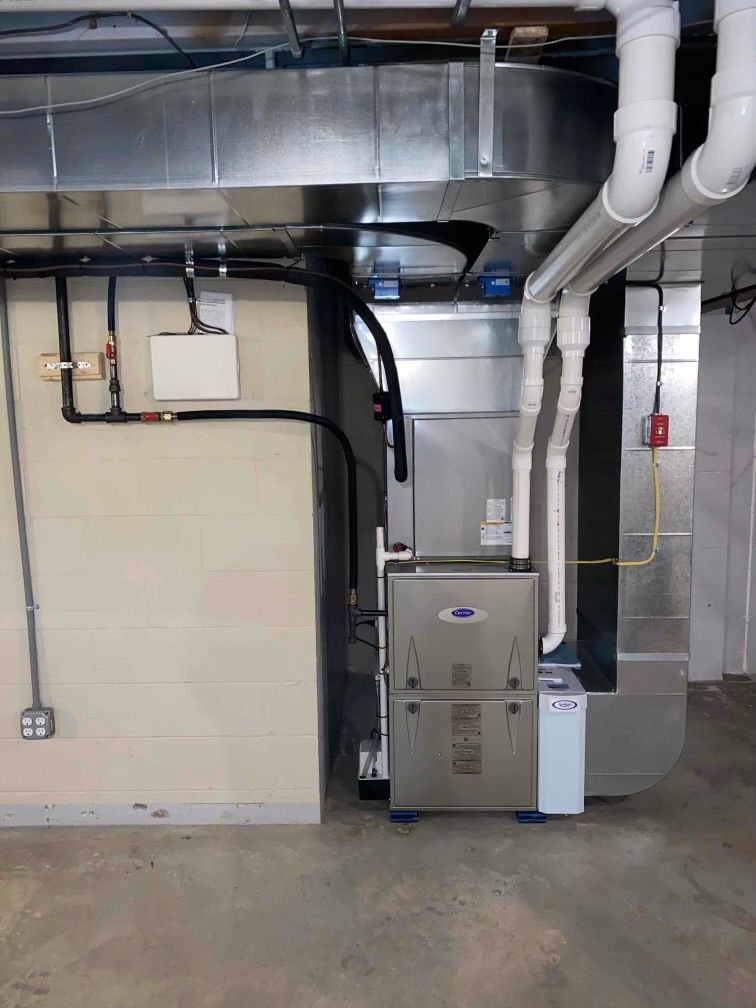
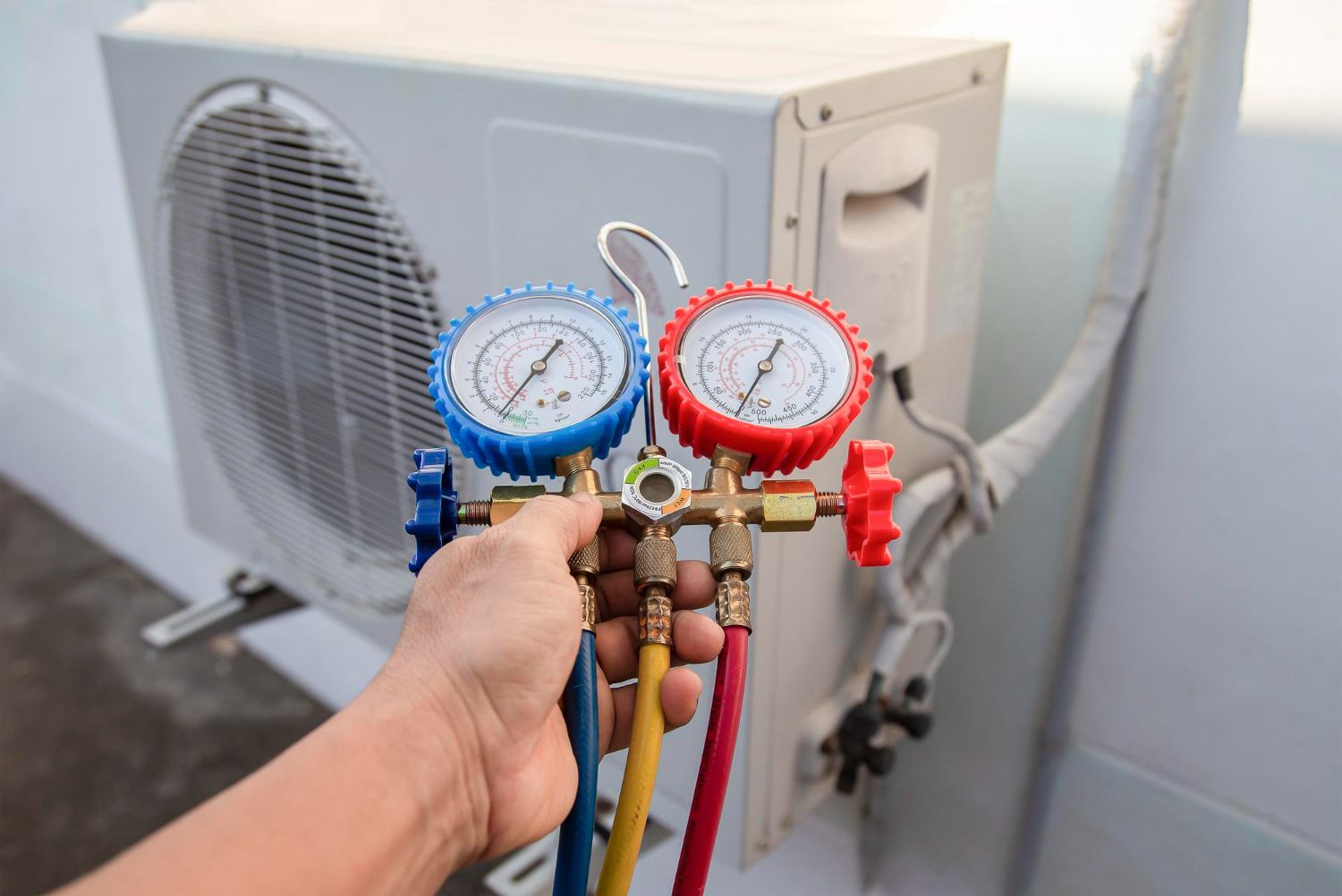
A residential hydronic system typically operates between twelve and fifteen pounds per square inch of pressure. This specific calibration ensures the water is heavy enough to reach the second story radiators without putting undue stress on the cast iron block. If the pressure gauge drops toward zero, it means water is physically escaping the closed loop somewhere inside the house. Air then rushes in to fill the void, creating massive airlocks that completely block the flow of hot water.
→ From a professional standpoint: Even a microscopic pinhole leak behind a baseboard cover will steadily drain the system pressure over a few weeks and halt the heat transfer.
Why DIY Boiler Fixes Cause Major Floods
Attempting to fix a radiant heating system without proper trade knowledge usually ends in disaster. Many homeowners try to manually open the water feed valve to bring the pressure back up, but they leave the valve open too long. Overpressurizing the system forces the safety relief valve to blow wide open, dumping scalding hot water all over the mechanical room floor. Replacing old valves or tightening corroded copper pipes often causes the brittle metal to snap entirely.
→ A quick tip to remember: Never attempt to weld or solder pipes connected to a cast iron boiler unless the system has been completely drained and depressurized by an expert.
This level of caution is something clients notice firsthand when they need complex heating problems solved correctly.
►Client Experience: Hannah Triscila shared "We had a last minute appointment scheduled and he fixed all of the problems with our heater in very little time. I cannot recommend this company enough."
Providing prompt and accurate fixes for complex heating components is why Hannah trusts our technicians with her indoor comfort.
What causes a boiler to lose pressure overnight?
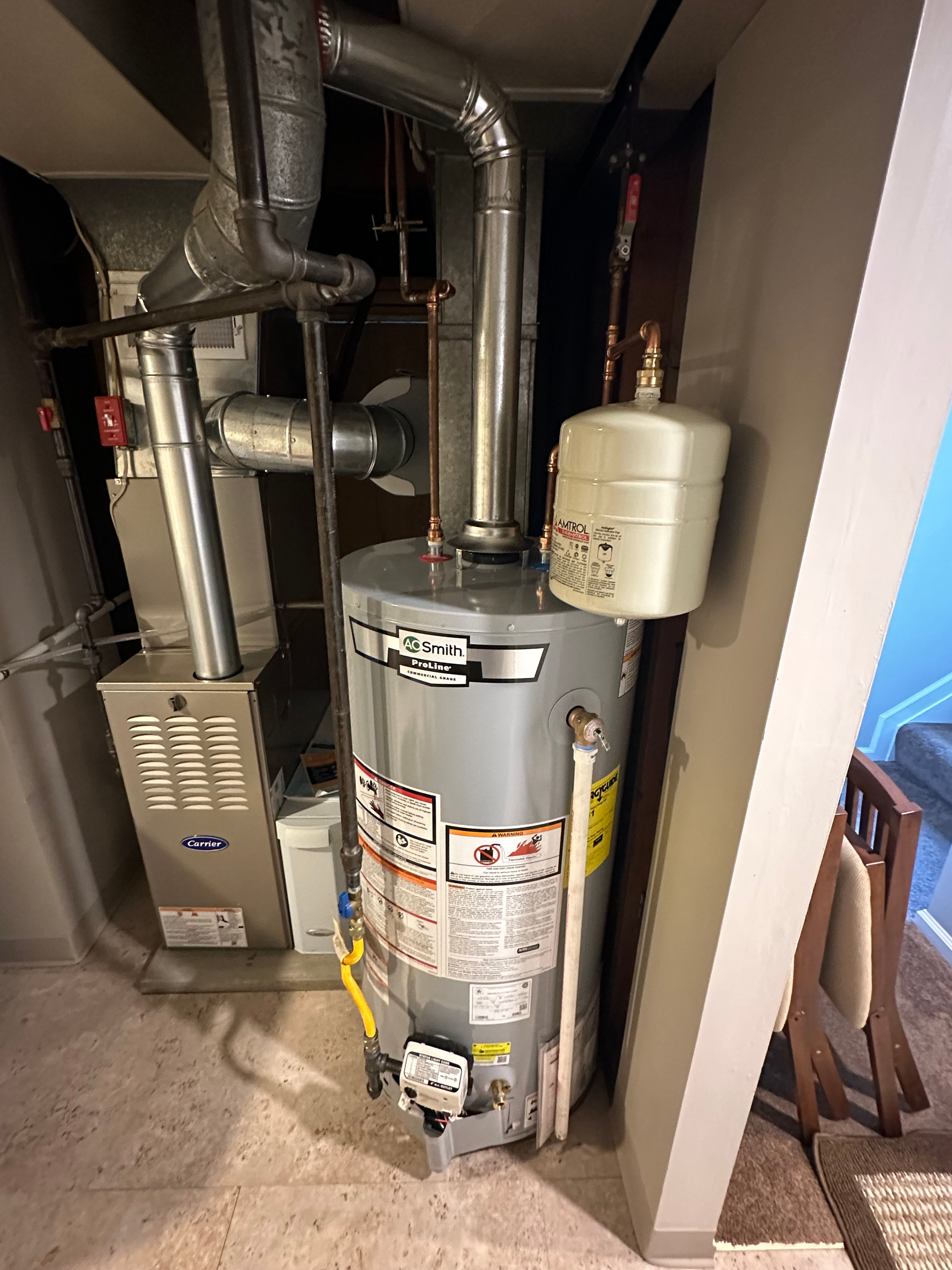
A sudden overnight pressure drop usually points to a failed expansion tank or a ruptured pressure relief valve. The expansion tank absorbs the extra volume of water as it heats up and expands. If the internal rubber bladder inside the tank tears, the tank fills entirely with water and the pressure spikes aggressively. The safety valve then opens to release the dangerous pressure, dumping the water onto the floor. By morning, the system has lost so much fluid that the pressure gauge reads zero and the burners refuse to ignite.
The Professional Diagnostic Approach
Tracing a hidden leak in a house full of concealed pipes requires specialized diagnostic skills. A trained technician will visually inspect every visible joint, circulator pump flange, and radiator bleed valve for signs of crusty white mineral deposits. We also test the automatic water feeder to see if it is clogged with hard water sediment and failing to top off the system automatically. Replacing these degraded brass components restores the watertight integrity of the loop.
→ From a professional standpoint: Upgrading an old steel expansion tank to a modern diaphragm style tank provides far better pressure regulation and protects the cast iron block from thermal stress.
Restoring Safe Hydronic Heating
Ignoring a dropping pressure gauge guarantees your heating equipment will fail during the coldest part of the year. By treating pressure loss as an immediate mechanical issue, you protect your historic home from catastrophic water damage. Reach out to our hydronic heating experts today to inspect your system and restore your winter comfort.
Share This Blog