How to Flush Heavy Mineral Sediment From Your Gas Water Heater Safely
Hard water poses a massive threat to the plumbing systems hiding in your basement. Homeowners across Center Township often ignore their hot water tanks until a cold shower forces them to take action. At Grossi Services Inc, we understand that heavy mineral sediment slowly destroys heating equipment from the inside out. Establishing a routine for water heater maintenance PA properties require prevents sudden leaks and costly basement floods.
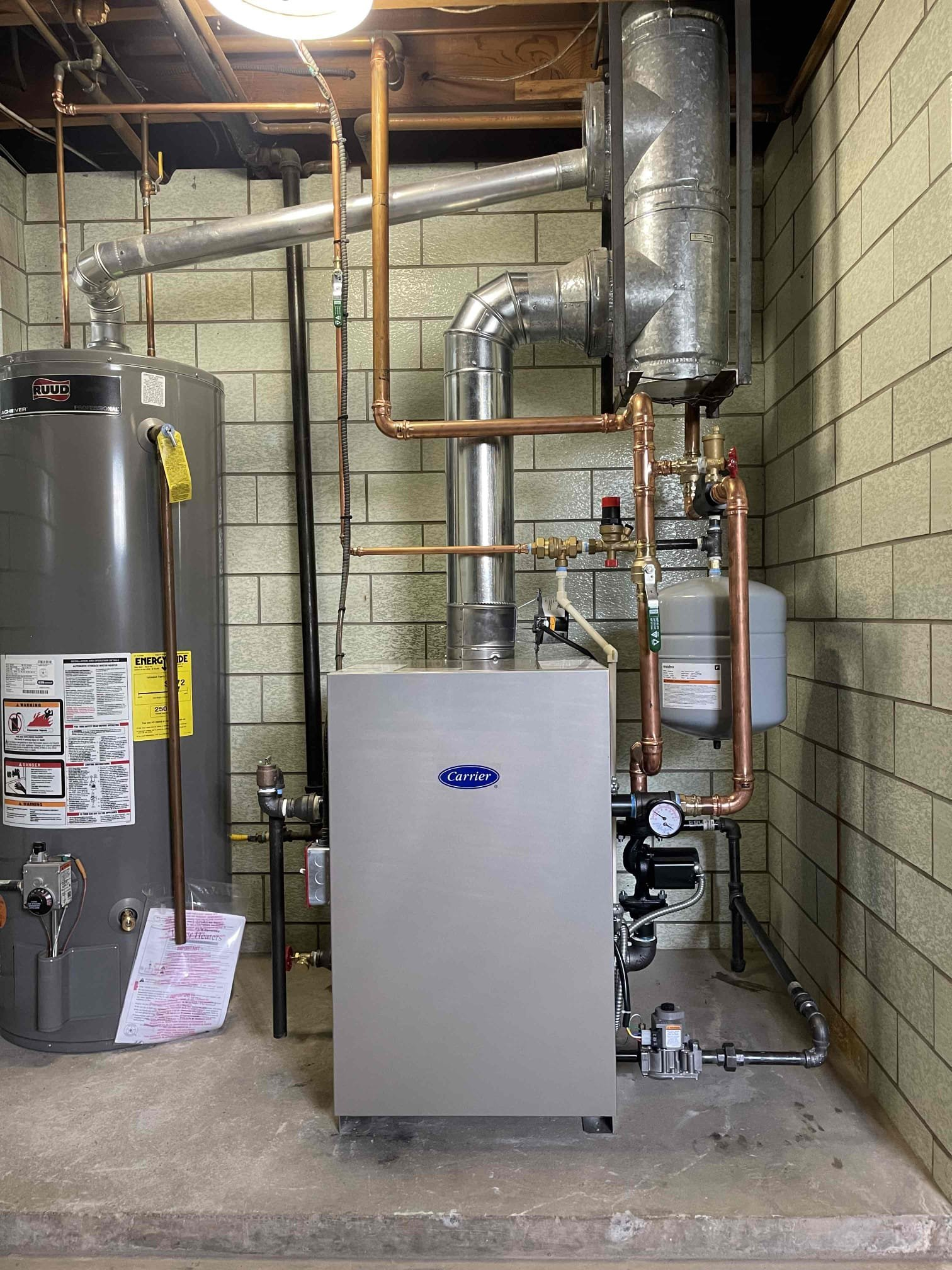
When water is heated, the natural minerals dissolve and sink to the bottom of the steel tank. This thick layer of calcium and magnesium acts like a heavy blanket over the gas burner. The system has to work twice as hard to push heat through the sediment to warm the water above it. We have put together a practical guide to help you manage this buildup and protect your plumbing infrastructure.
Inside This Guide:
- Immediate Aftercare for Sediment Flushing
- Ongoing Maintenance Habits for Hot Water Tanks
- Common Maintenance Mistakes That Destroy Plumbing
- How often should you drain your hot water heater?
Immediate Aftercare for Sediment Flushing
Once you clear the thick sludge from the bottom of your tank, you must verify the equipment settles back into a safe operating rhythm. Proper aftercare ensures the internal pressure stabilizes and the gas burner ignites correctly.
- Verify the Drain Valve: Check the plastic or brass drain spigot at the bottom of the tank to ensure it is completely sealed and not dripping.
- Monitor the Burner Flame: Look at the gas burner underneath the tank to confirm the flame is a crisp blue color rather than a lazy yellow hue.
- Test the Water Temperature: Run a faucet on the top floor of your home to confirm the hot water output feels consistent and perfectly warm.
Ongoing Maintenance Habits for Hot Water Tanks
Keeping your plumbing system healthy requires regular attention between professional visits. Building these simple habits into your seasonal routine stops mineral buildup before it solidifies into a rock hard layer.
- Check the Anode Rod: Have a technician inspect the anode rod every three years to prevent the actual steel tank from rusting.
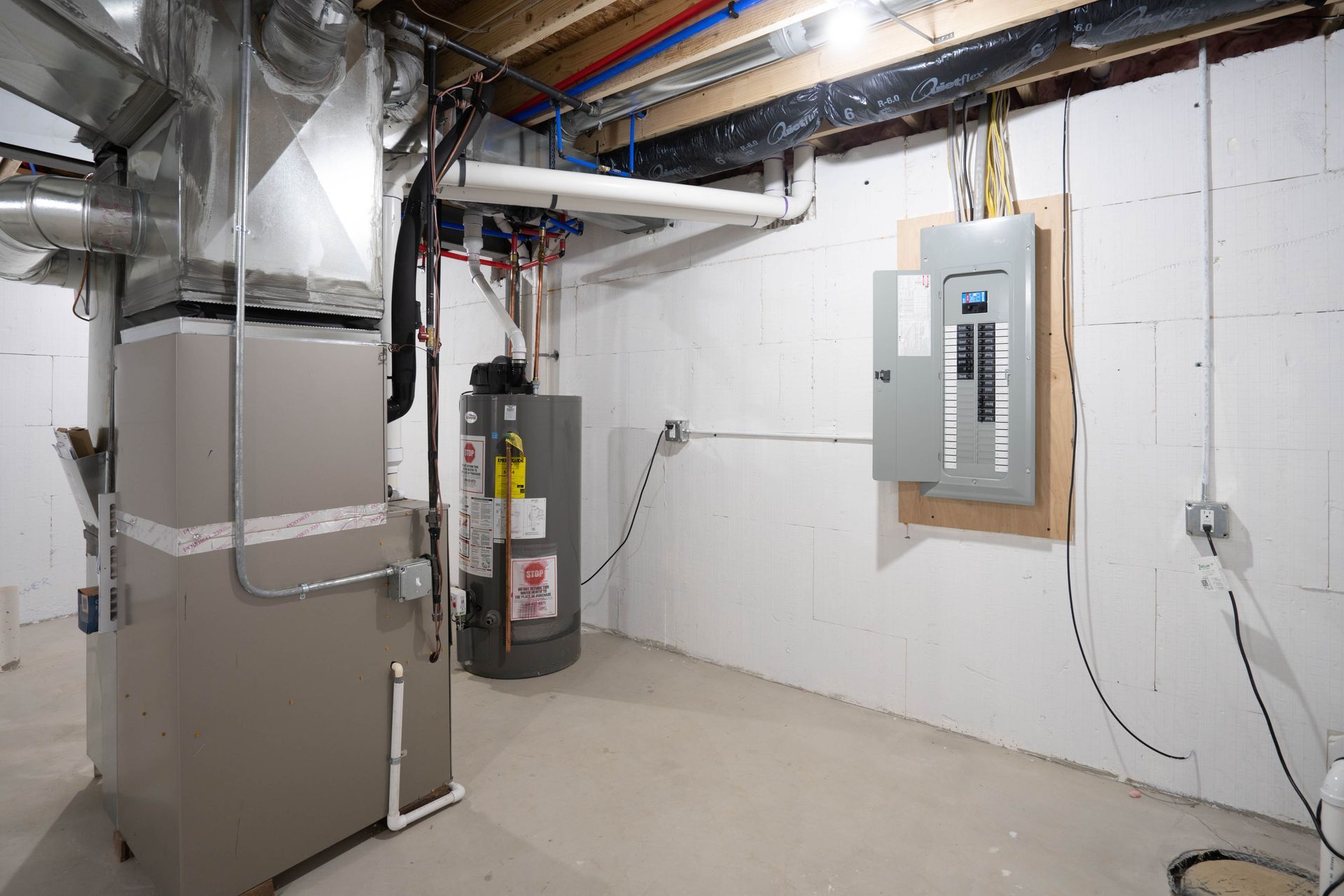
- Clear the Surrounding Area: Move cardboard boxes and cleaning supplies away from the base of the tank to ensure the gas burner gets enough fresh combustion air.
- Listen for Popping Noises: Pay attention to any loud rumbling or popping sounds coming from the tank, as this indicates water is boiling underneath a thick layer of sediment.
This proactive approach is something clients notice firsthand when they trust our team with their plumbing upgrades.
►Client Experience: Christopher Malcolm shared "Once the job was completed, they left the work area clearer than they found it and there was NOTHING left behind for me to clean up or dispose of after they left my home. I only wish I had used them before when I had to replace my water heater."
Getting the job done with clean and precise execution is exactly why Christopher continues to rely on our mechanical expertise.
Common Maintenance Mistakes That Destroy Plumbing
Many property owners accidentally ruin their heating equipment by following bad advice or rushing the maintenance process. Knowing what to avoid is critical when dealing with gas appliances and pressurized water.
- Firing a Dry Tank: Never turn the gas valve back to the heating position before the tank is completely full of water, as the intense heat will instantly crack the protective glass lining.
- Ignoring a Dripping Relief Valve: Do not plug or cap a leaking temperature and pressure relief valve, because a trapped pressure spike can turn the tank into a highly dangerous hazard.
- Using Harsh Chemicals: Avoid pouring harsh descaling acids into a standard residential tank, as these chemicals can degrade the internal welds and cause permanent structural leaks.
► The single most important maintenance fact is that operating a water heater with a fully depleted anode rod guarantees the steel walls will rust through and flood your home within months.
How often should you drain your hot water heater?
You should plan to flush the sediment from your hot water tank at least once a year. Homes dealing with exceptionally hard well water may need to drain their systems every six months to prevent severe calcium accumulation. Consistent flushing pushes the loose minerals out of the drain valve before they have a chance to bake onto the bottom of the tank.
Securing Your Plumbing Investment
Taking the time to clear out harmful minerals adds years to the life of your mechanical equipment. By monitoring the burner and checking the anode rod, you guarantee a reliable supply of hot water for your family. Reach out to our service division today to book a professional tank flush and safety inspection.
Share This Blog