Why Your Central AC Compressor Freezes During Late Summer Humidity
The late summer heat combined with high humidity puts a massive strain on your home cooling equipment. Homeowners often notice their vents blowing warm air right when they need cooling relief the most. When you check the outdoor unit and see a thick layer of ice coating the copper pipes, panic quickly sets in. At Grossi Services Inc, we frequently receive emergency calls about these frozen systems across Beaver County properties.
Understanding the mechanical failure behind a frozen coil helps you react properly and prevent permanent damage to your unit. A blocked system forces the internal compressor to work twice as hard to cool your living space. Fast AC repair Center Township residents rely on will restore your airflow and keep your property safe. Knowing exactly what triggers this icy buildup will save you valuable time and money.
What We Cover In This Article:
- The Danger of Restricted System Airflow
- What causes an air conditioner to freeze up in the summer?
- Why DIY Thawing Attempts Destroy Compressors
- Securing Your Cooling Equipment
The Danger of Restricted System Airflow
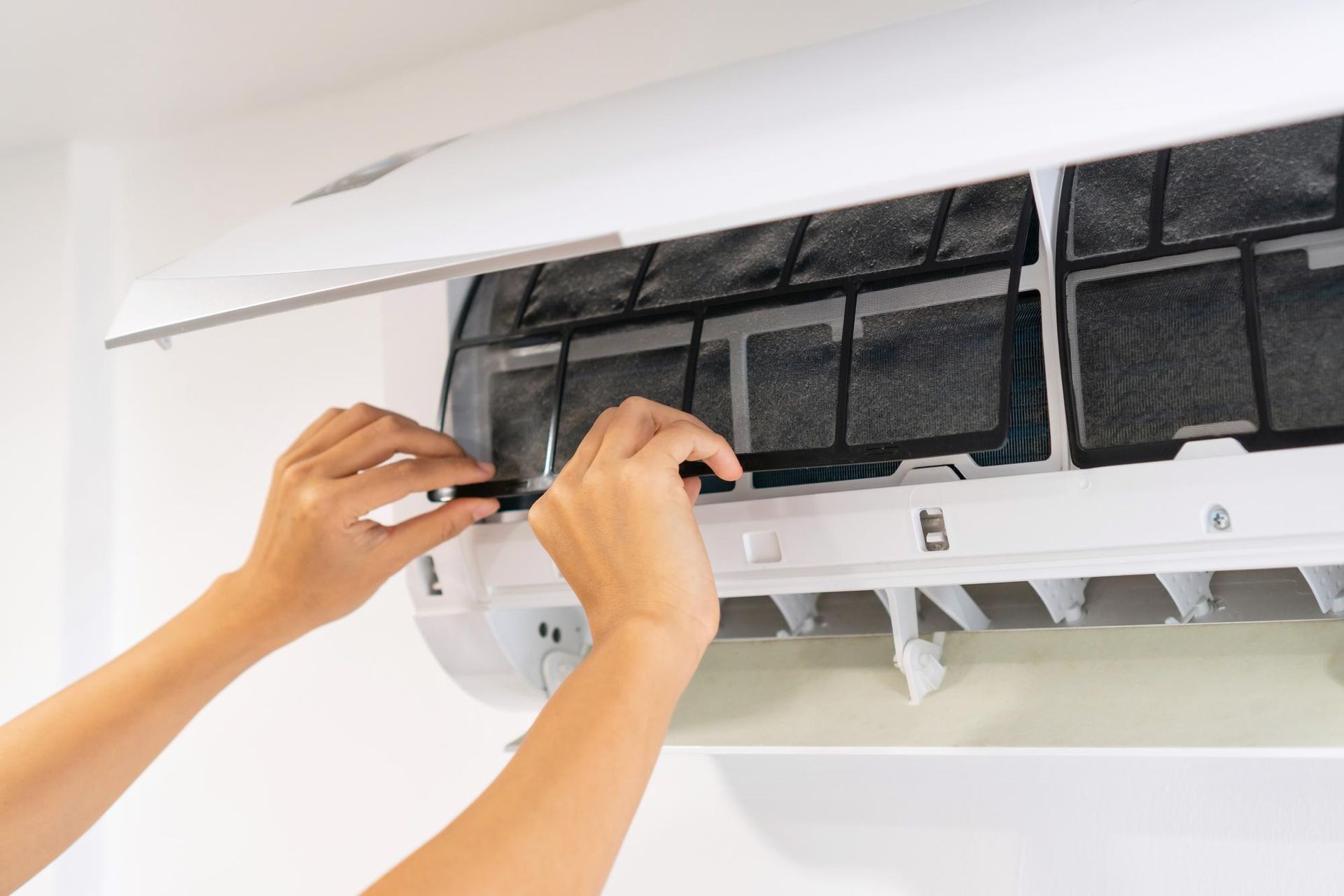
Your central cooling system relies on a constant volume of warm indoor air blowing across the cold evaporator coil. When a dirty filter or a blocked room vent restricts this vital airflow, the temperature of the refrigerant inside the coil drops rapidly. The high ambient humidity in your house condenses on the freezing metal and instantly turns to solid ice. This massive block of ice acts as an insulator that completely stops the cooling process from continuing.
→ A quick tip to remember: Checking your indoor air filter every thirty days is the absolute easiest way to prevent a catastrophic system freeze.
What causes an air conditioner to freeze up in the summer?
Aside from poor airflow, a frozen air conditioner is heavily linked to a hidden chemical refrigerant leak. Your equipment requires an exact chemical charge to maintain the proper pressure and temperature balance inside the sealed lines. When refrigerant slowly escapes through a microscopic pinhole, the pressure inside the copper tubing plummets. This sudden pressure drop forces the remaining refrigerant to become excessively cold, which freezes the surrounding humidity right out of the air. Finding and sealing this hidden leak requires professional diagnostic gauges.
This is something clients notice firsthand when our team arrives to restore their comfort during peak heat.
►Client Experience: TheOBrienGirl shared "This company is one you're happy to have in your contacts! They quickly diagnose any issue and explain everything so you can understand. We 100% trust them with any HVAC issues at our home."
Having a trustworthy technician clearly explain the root cause ensures you never have to guess about your system health.
Why DIY Thawing Attempts Destroy Compressors
Frustrated property owners sometimes try to chip the heavy ice off their outdoor units using tools or hot water. Hitting the delicate copper coils with a solid object will instantly puncture the thin metal and release toxic chemicals into your yard. Furthermore, continuing to run the system while it is heavily frozen forces liquid refrigerant backward into the heart of the compressor motor. Compressors are exclusively designed to pump vapor, and a flood of liquid will cause the internal valves to shatter instantly.
→ From a professional standpoint: The only safe way to thaw a unit is to turn the cooling function off entirely and let the indoor fan run continuously until the ice melts naturally.
Securing Your Cooling Equipment
A frozen air conditioner is a clear cry for professional help from your mechanical infrastructure. Addressing airflow problems and chemical leaks immediately stops minor wear from turning into an expensive total compressor failure. Reach out to our diagnostic team today to schedule an inspection and keep your home perfectly chilled.
Share This Blog