The Honest Truth About Whole-House UV Light Air Purifier Efficiency
Allergy season drives many property owners to search for robust solutions to purify their indoor environments. Marketing campaigns frequently promise that installing a glowing light inside your ductwork will instantly cure all respiratory issues. At Grossi Services Inc, we encounter many clients in Beaver who have been misled by aggressive sales tactics regarding air sanitation. Exploring honest indoor air quality solutions requires separating clinical facts from common residential myths.
Installing ultraviolet technology is a fantastic way to protect your mechanical equipment, but it is not a magic wand for your living space. Understanding how light waves interact with moving air helps you make a grounded decision about your health. We are dedicated to providing clear, realistic outcomes for all our purification installations. Let us examine the true capabilities of these advanced sterilization tools.
Inside This Article:
- The Clinical Reality of UV Light Technology
- Addressing the Allergen Eradication Myth
- How HVAC Airflow Impacts Sterilization Rates
- Frequently Asked Questions
The Clinical Reality of UV Light Technology
Ultraviolet germicidal irradiation is highly effective at destroying the DNA of living organisms like mold spores and bacteria. When installed correctly directly above your cold evaporator coil, the light constantly bathes the damp metal in sterilization rays. This targeted application prevents thick biological growth from clogging the delicate cooling fins. Keeping the internal coil clean stops musty odors from forming and extends the lifespan of your blower motor.
→ From a professional standpoint: The primary realistic benefit of a UV light is keeping the internal HVAC machinery spotless rather than scrubbing the air inside your living room.
Addressing the Allergen Eradication Myth
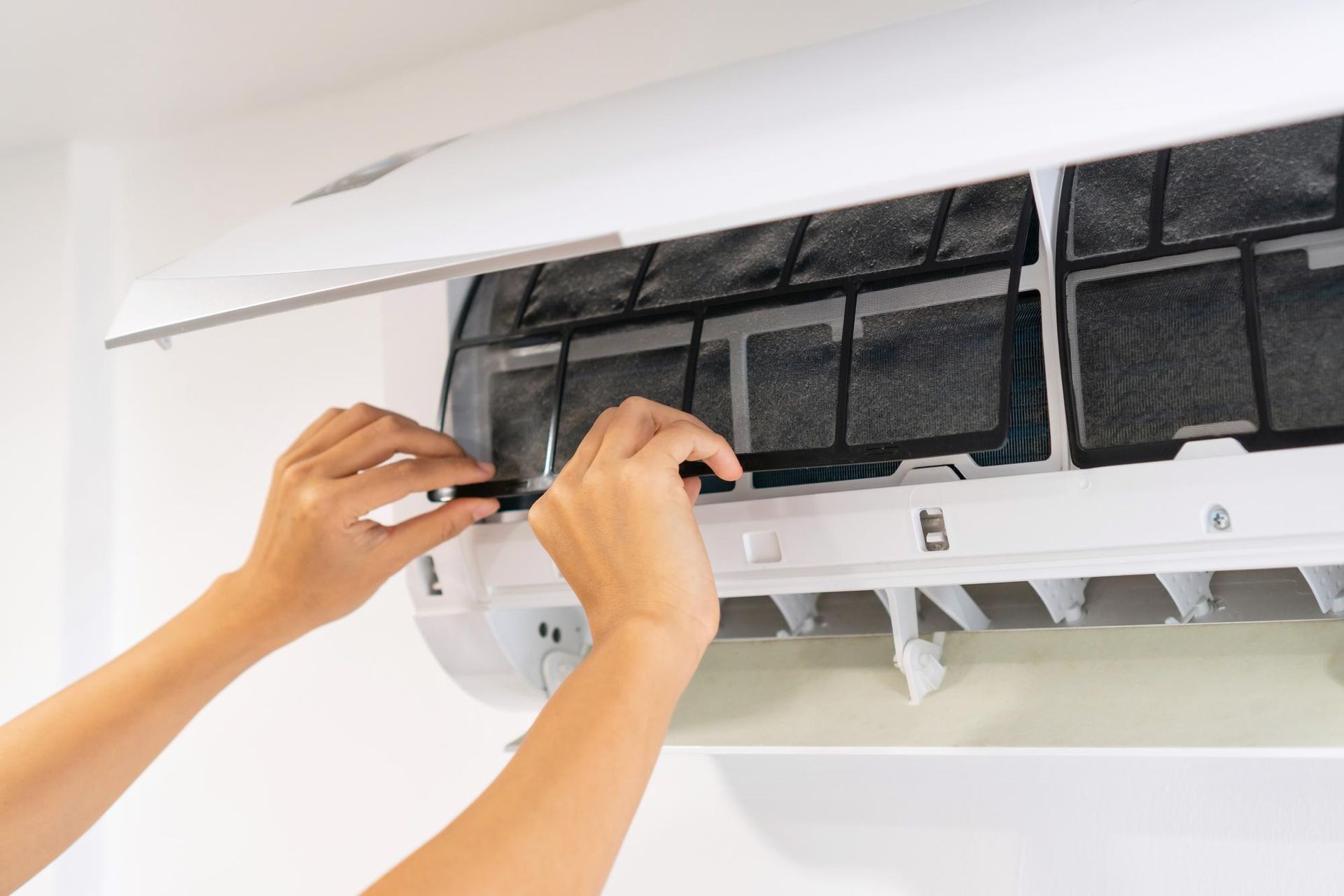
A common overestimation homeowners make is believing a UV bulb will eliminate pet dander, dust mites, and pollen from their bedrooms. Light waves physically cannot trap or destroy solid, non-living particulate matter. If your home is filled with pet hair and dust, the light will simply shine right through it without making any difference. Removing heavy physical allergens requires a high capacity media filter, not a light bulb.
This is something clients notice firsthand when we deliver honest diagnostics tailored to their actual indoor environment.
►Client Experience: Melanie Acon shared "Grossi Services is top notch. Professional, responsive, on-time, thorough and honest. I called because our air conditioning wasn't turning on... We even got an email after the visit with before and after photos and a full report of the work done."
Providing transparent documentation and honest advice ensures you only invest in upgrades that truly benefit your household.
How HVAC Airflow Impacts Sterilization Rates
For a UV light to kill airborne viruses, the pathogens must be exposed to the intense rays for a specific duration. The air moving through your ductwork travels incredibly fast, often sweeping past the light bulb in a fraction of a second. This rapid velocity means many airborne germs survive the journey because they simply were not exposed to the light long enough to be neutralized.
→ A quick tip to remember: To truly sterilize moving air, you need a specialized high output dual bulb system designed specifically to treat fast moving air streams.
Frequently Asked Questions
Do UV lights in HVAC systems really work?
They absolutely work when applied to the correct problem. They are incredibly successful at stopping mold and bacterial growth on the wet interior surfaces of your air conditioning equipment. They prevent the dreaded dirty sock syndrome smell from taking over your house. However, they are not effective standalone tools for removing physical dust or pollen from the air.
Can a whole-house air purifier remove pet dander?
A whole house purifier equipped with a thick, high efficiency pleated media filter will actively capture and remove pet dander from the air stream. The filter physically traps the floating skin flakes and hair before they can recirculate back into your living areas. Pairing a thick media filter with a UV light offers a balanced approach to handling both physical dust and biological growth.
How often do HVAC UV bulbs need to be replaced?
The effectiveness of the ultraviolet light degrades significantly after nine to twelve months of continuous use. Even if the bulb still appears to be glowing bright blue, the invisible germicidal frequency has likely dropped too low to kill bacteria. You must replace the bulb annually during your routine maintenance visit to maintain clinical protection inside the cabinet.
Protecting Your Home Environment
Investing in air quality technology requires a realistic understanding of how different tools perform. Recognizing that UV lights focus on biological threats while physical filters handle dust allows you to build a truly effective sanitation strategy. Contact our air quality specialists today to discuss the perfect filtration balance for your unique home.
Share This Blog