Winter-Ready in Center Township: Pro Heating System Prep for Holidays
Preparing a home for the heavy demands of a Pennsylvania winter requires far more than just testing the thermostat. Grossi Services Inc helps homeowners across Center Township ensure their heating equipment is mechanically sound before the holiday hosting season begins. Having a house full of guests puts extra strain on your residential climate control components during the absolute coldest weeks of the year. Scheduling a professional evaluation now prevents total system failure when you need reliable warmth the most.
Many property owners mistakenly believe that swapping out a dirty air filter is the only preparation their equipment requires. While clean filters certainly help airflow they do nothing to address internal carbon buildup or failing ignition sensors. A neglected gas furnace forces dangerous exhaust fumes and soot into your living spaces over time. Taking a scientific approach to equipment tuning protects your family and lowers your monthly utility costs significantly.
Here is what we cover in this breakdown:
- The reality of combustion safety checks
- Identifying stress on the heat exchanger
- Why changing the filter is not enough
- Frequently Asked Questions
The Reality Of Combustion Safety Checks
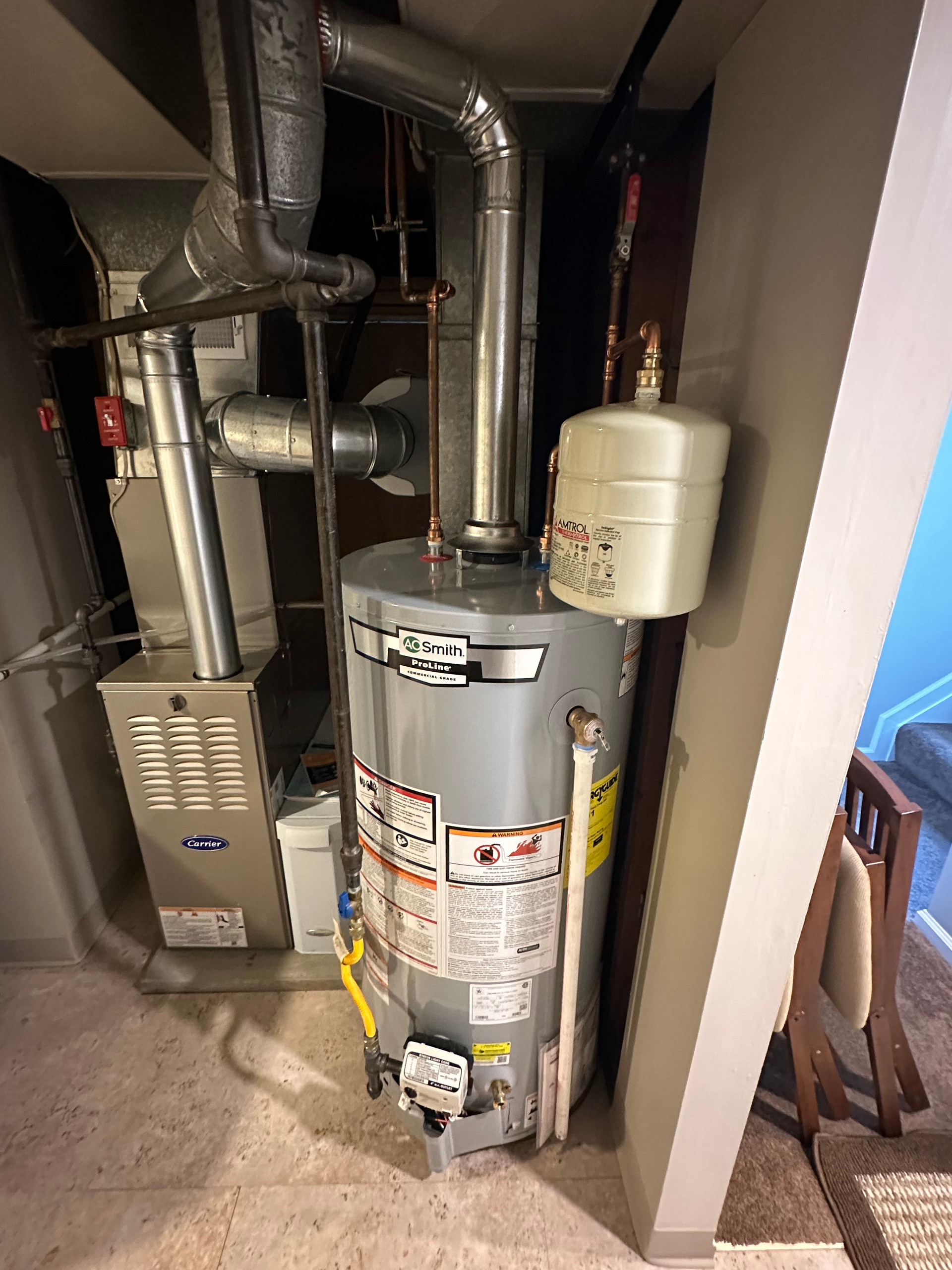
A clean burn is absolutely critical for any gas appliance operating inside a closed residential structure. Homeowners frequently ask does a gas furnace really need annual maintenance. The honest truth is that the combustion process creates acidic moisture and carbon that slowly eats away at internal metal components. Having a NATE Certified technician perform strict heating maintenance ensures the gas pressure is correctly calibrated and the burners are completely clear of soot. This precise tuning stops dangerous carbon monoxide leaks before they ever start.
Identifying Stress On The Heat Exchanger
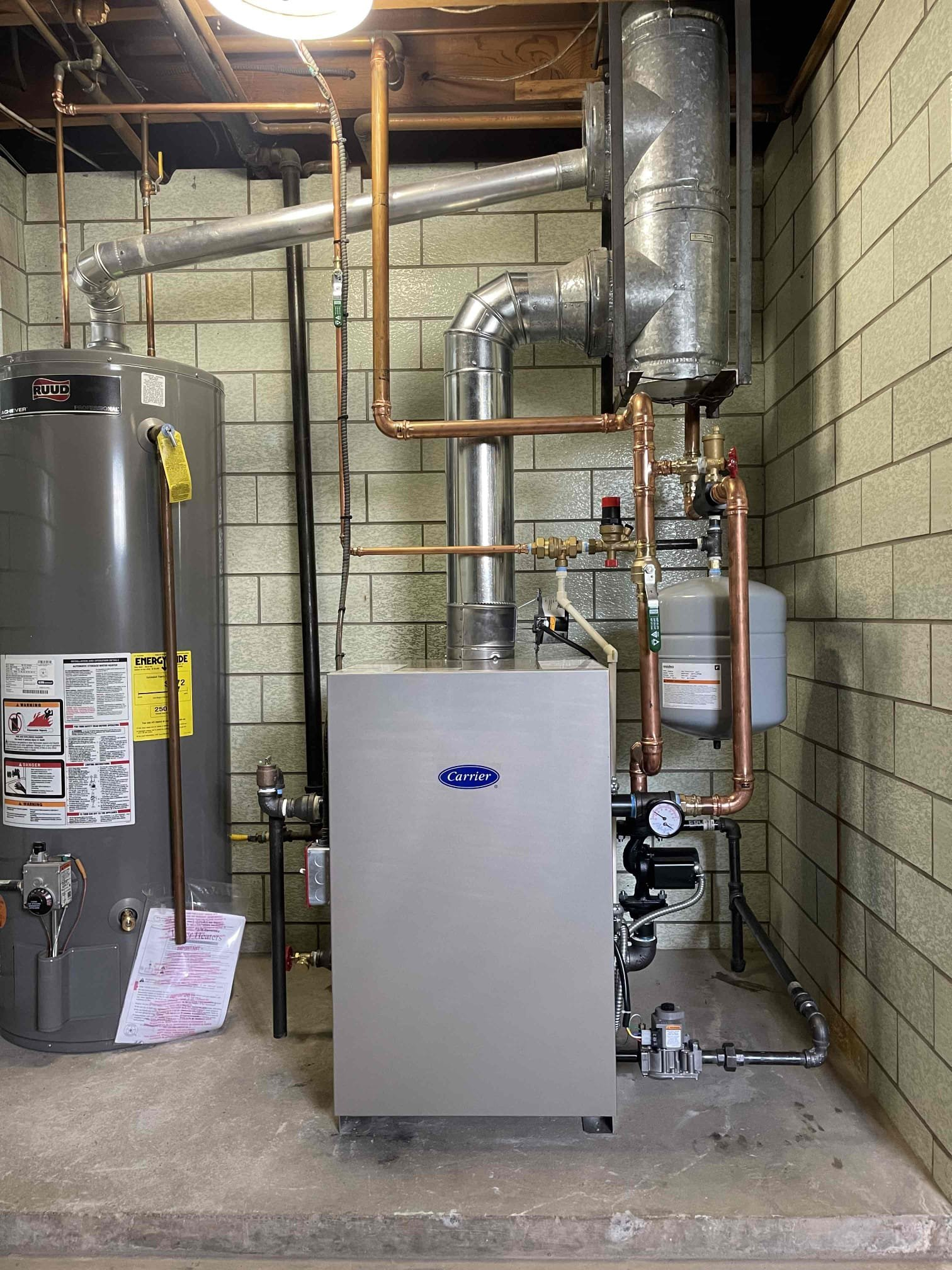
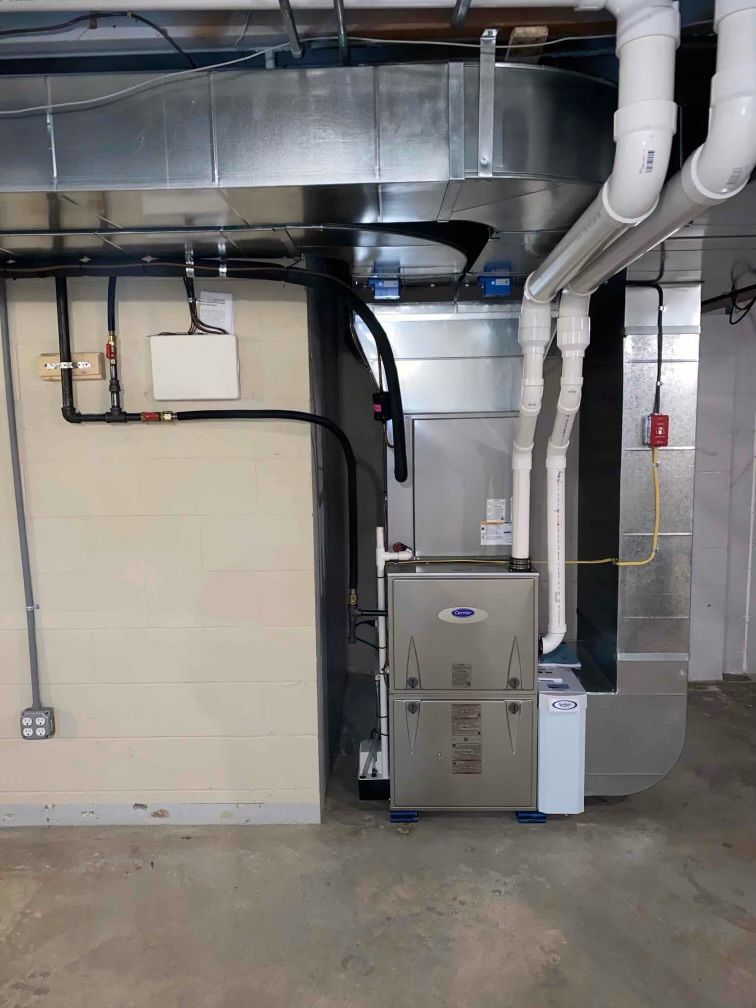
The heat exchanger acts as the physical barrier separating toxic combustion gases from the breathable air pushed into your ductwork. Repeated heating and cooling cycles cause the metal to expand and contract which eventually leads to hairline cracks. An untrained eye will never spot these microscopic fractures hiding deep inside the cabinet. Our technicians utilize specialized cameras to inspect every square inch of the heat exchanger during a tune up. We deploy these exact diagnostic methods across Beaver County to keep local properties safe and efficient.
Why Changing The Filter Is Not Enough
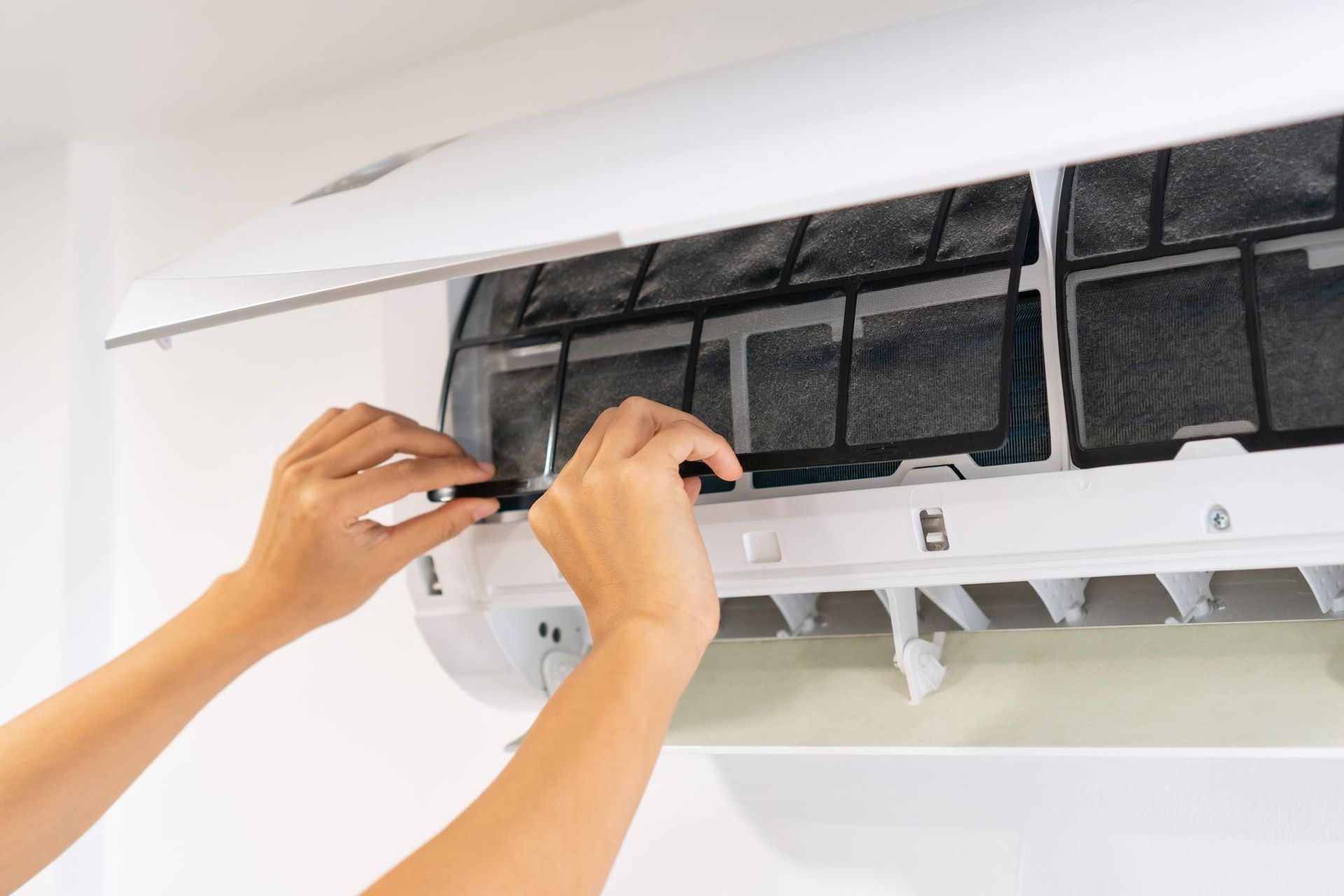
A fresh filter improves air flow but it ignores the mechanical wear and tear happening to your blower motor and electrical relays. Bearings dry out and electrical connections loosen after a long season of heavy usage. A professional technician lubricates moving parts and tightens all electrical terminals to stop sudden voltage drops. We frequently pair this level of detail with our indoor air quality services to ensure your ductwork remains free of excess dust and allergens.
► Client Experience: "Working with Jake to determine the best system for my needs was a fantastic experience as he remained patient and supportive throughout."
Matthew G illustrates the value of working with a knowledgeable contractor who guides you through the complex equipment selection process.
Frequently Asked Questions
How long does a professional tune up usually take?
A skilled technician generally requires about one to two hours to fully inspect, clean, and calibrate a residential heating unit.
Will a tune up lower my winter gas bill?
Calibrating the gas pressure and cleaning the burners restores the unit to its factory specifications which directly reduces the amount of fuel burned.
Securing Your Winter Comfort
Protecting your household requires a trained expert looking closely at the mechanical health of your heating equipment. Investing in a proper tune up extends the lifespan of your unit and prevents miserable holiday breakdowns. Call our scheduling office today to book your pre-winter equipment inspection.
Share This Blog