Gas or Electric? Choosing the Best Boiler for Center Township Homes
Selecting the right boiler dictates how efficiently your property retains heat during the bitter winter months. Grossi Services Inc partners with local property owners to evaluate the mechanical demands of their specific floor plans. Relying on an outdated cast iron unit guarantees you will overpay on your utility bills while shivering in drafty bedrooms. Installing a modern hydronic system changes the entire thermal dynamic of your house and provides incredibly consistent warmth.
Deciding between a natural gas unit and an electric model involves a deep look at your local utility rates and your existing infrastructure. Older homes often lack the heavy electrical panels required to run a high capacity electric boiler safely. Evaluating these exact physical limitations prevents bad investments and ensures your new equipment operates perfectly. A proper installation keeps your family cozy and protects your plumbing from freezing solid.
A look at boiler technology and selection:
- Analyzing gas combustion efficiency
- The mechanical limits of electric models
- Understanding AFUE ratings correctly
- Frequently Asked Questions
Analyzing Gas Combustion Efficiency
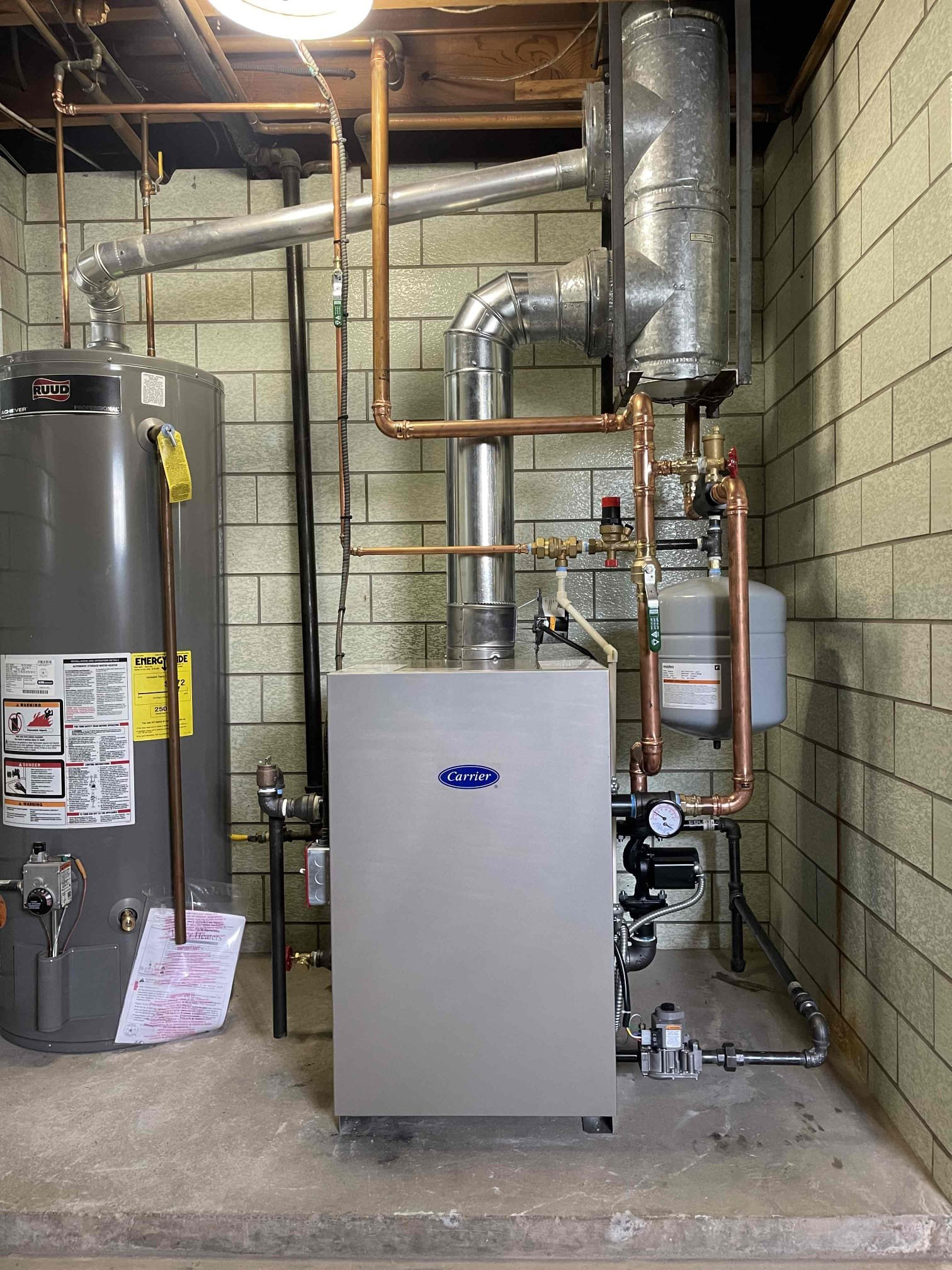
Natural gas remains the most popular fuel source for hydronic heating across Center Township and the surrounding areas. Modern gas units utilize a condensing process that extracts heat from the exhaust gases before they vent outside. This secondary heat extraction process drastically lowers the amount of fuel needed to warm the water circulating through your radiators. A properly sized gas unit provides incredibly fast recovery times even during a severe winter cold snap.
The Mechanical Limits Of Electric Models
Electric units operate with near perfect efficiency because they convert every watt of electricity directly into heat without losing energy through an exhaust flue. However they require a massive amount of amperage to heat water for an entire residential property. We carefully inspect your electrical panel to ensure it can handle the load before recommending these specific boiler services. Electric models work exceptionally well for smaller homes or as supplemental heating sources in specific zones.
Understanding AFUE Ratings Correctly
When reviewing equipment upgrades people regularly ask are high efficiency boilers worth the extra money. The AFUE rating measures how well a unit converts fuel into usable heat but a 95 percent rating means absolutely nothing if the system is improperly sized for your ductwork or radiators. Slapping a massive high efficiency unit into a small home causes it to short cycle and burn out the internal pumps prematurely. Our technicians perform strict load calculations to ensure your new heating installation matches the exact physical requirements of your specific floor plan.
Frequently Asked Questions
Do modern boilers require a chimney for venting?
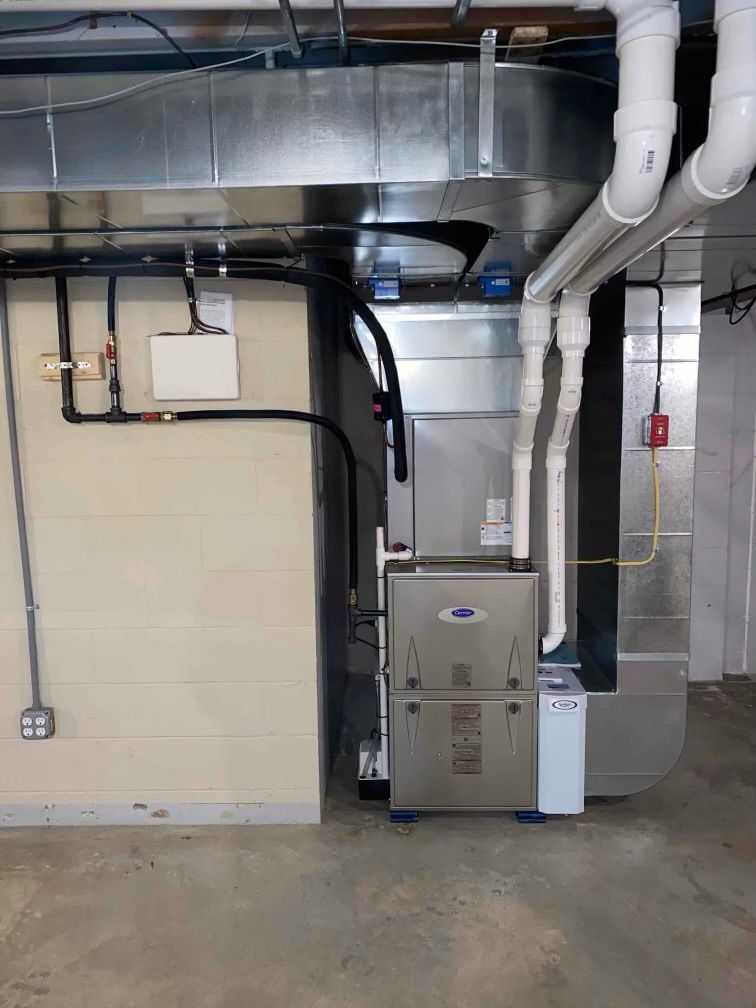
High efficiency condensing models use PVC piping to vent exhaust safely through a sidewall which completely eliminates the need for a traditional chimney.
Will a new boiler work with my old cast iron radiators?
We calibrate the water temperature and pressure of the new unit to flow perfectly through your existing historic radiators.
Finalizing Your Heating Strategy
Matching your new equipment to your existing infrastructure guarantees a warm and highly efficient winter season. Taking the time to understand the differences in fuel types protects your long term household budget. Contact our design team today to evaluate your current heating setup.
Share This Blog